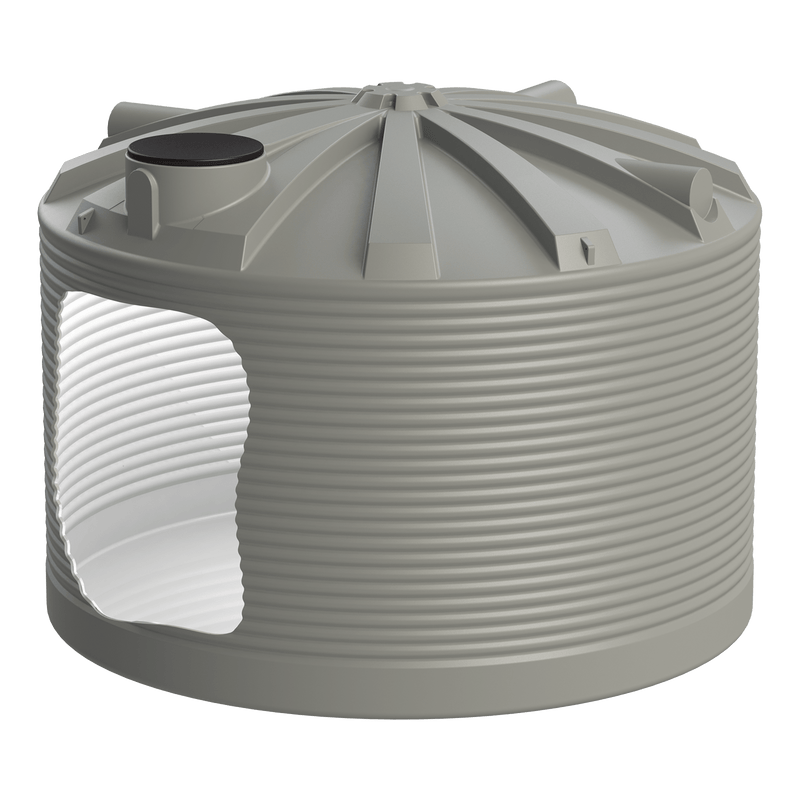
450L to 30,000L
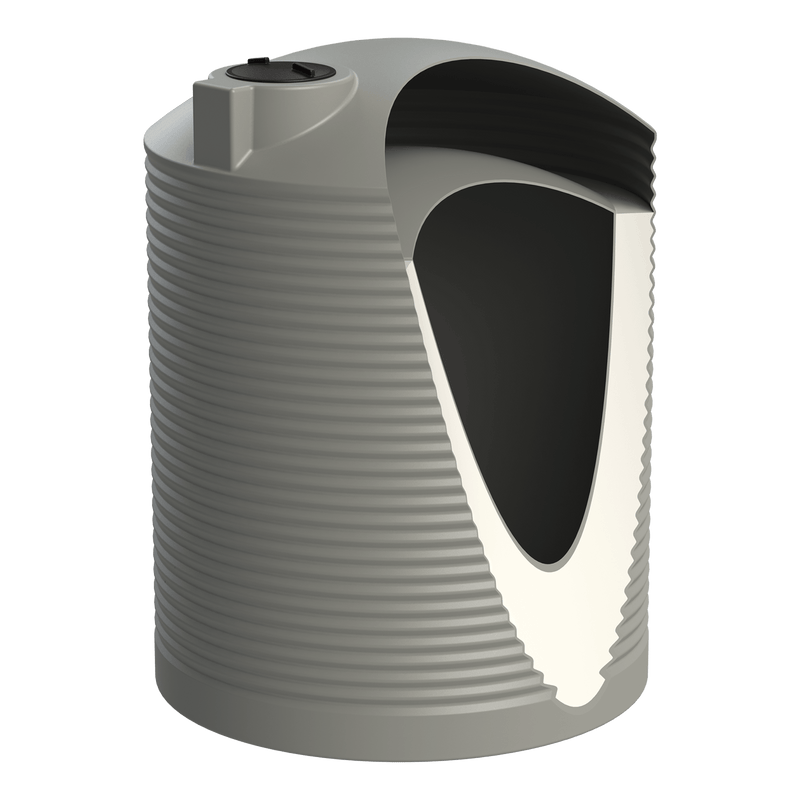
R0.4 single skin
- Insulating inner lining, 5 to 45 degrees C. The standard for dairy chilled water, ten sizes from $1,150 incl GST.


Factory-insulated polyethylene tanks from 450L to 30,000L in three tiers: R0.4 for dairy chilled water, R2 for process liquids, and R4 for glycol and sub-zero storage. Most R0.4 and R2 sizes can be ordered online.
Each tier is a different construction. Match it to the liquid, the temperature range and how long it has to hold.


450L to 30,000L
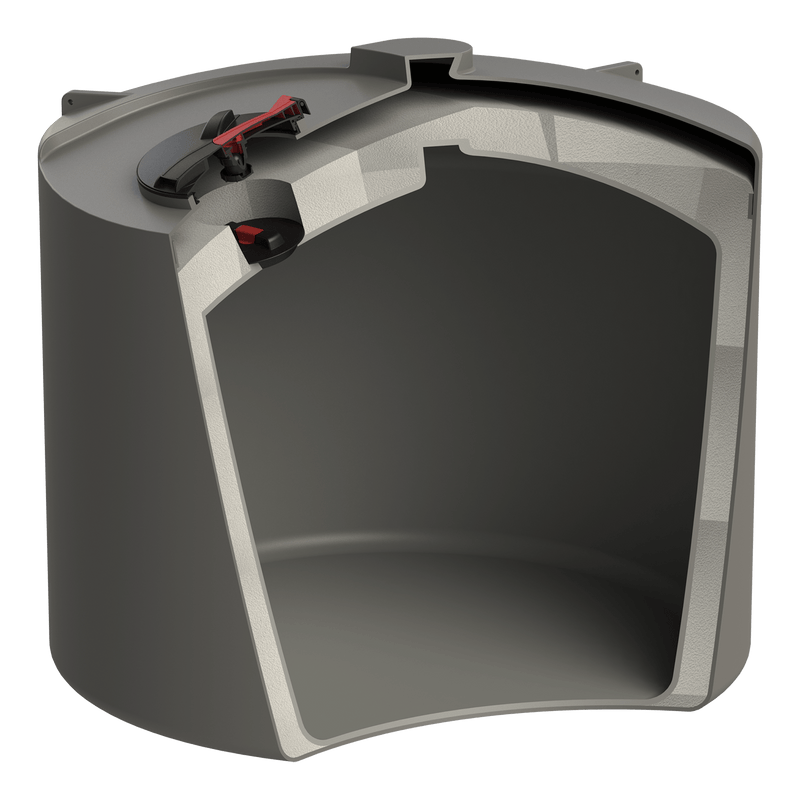
500L to 2,000L
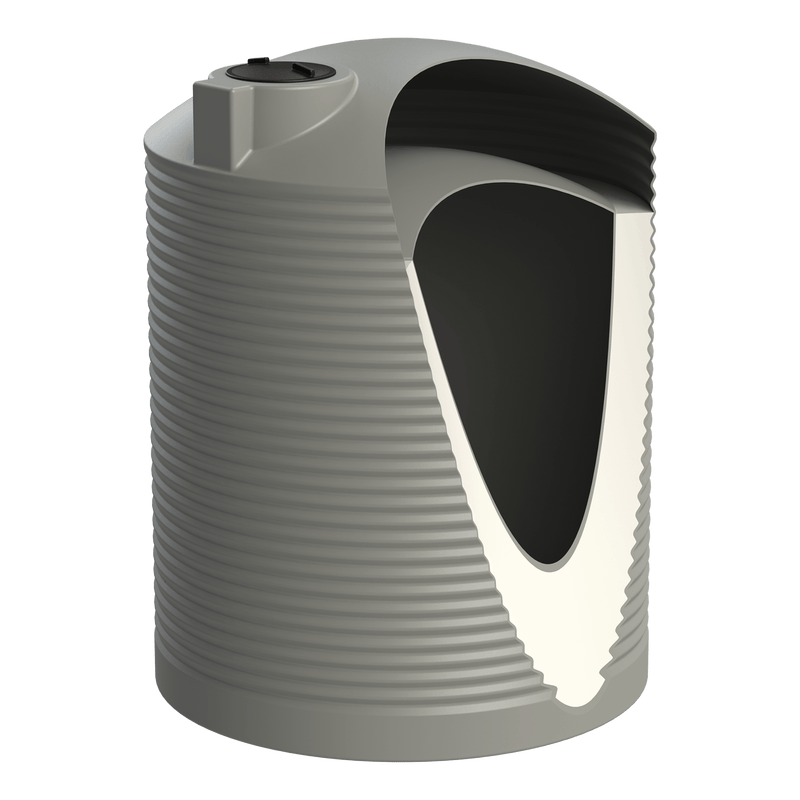
15,000L and 25,000L
Tank-in-tank construction with large flanged fittings and penetrations. Baffling available to order.
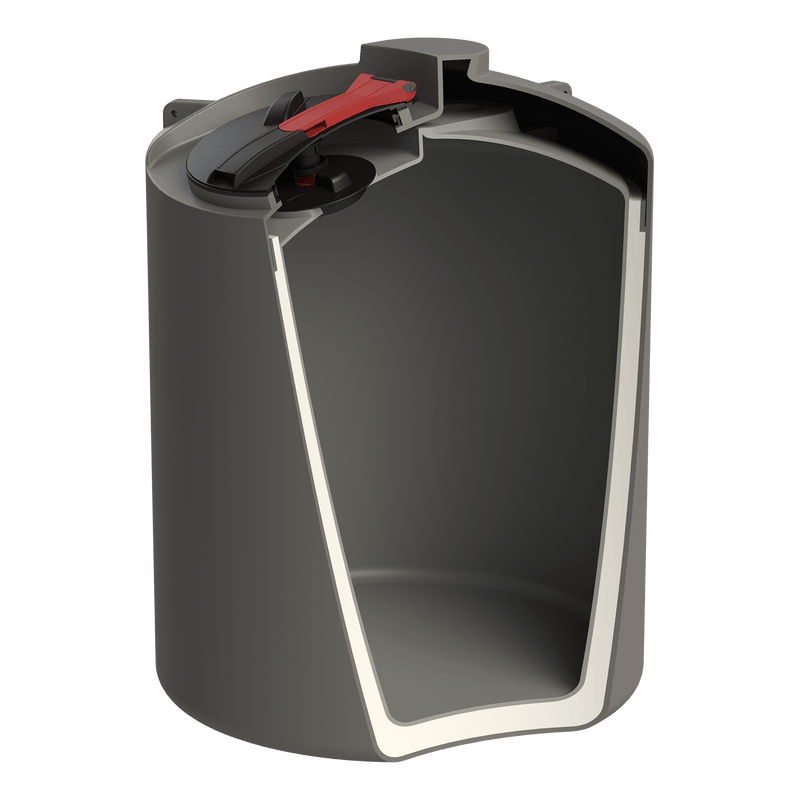
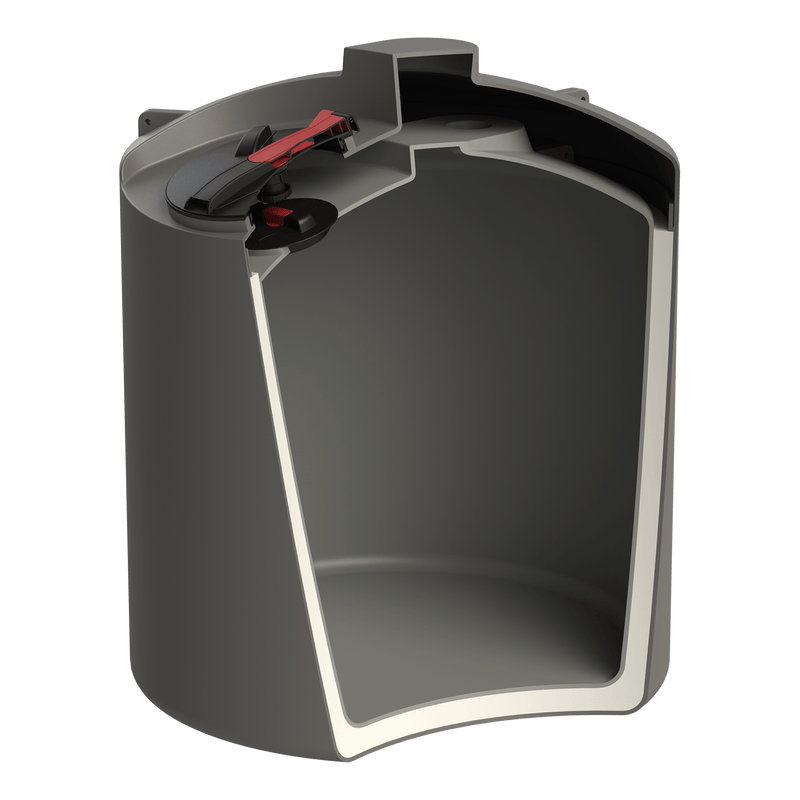
Tank-in-tank, R4
Tank-in-tank, R4
Dimensions are nominal, diameter x height. R2 prices include GST. R4 tanks are quoted to your site.
| Tier | Construction | Temperature range | Sizes | Typical use |
|---|---|---|---|---|
| R0.4 | Single skin with insulating inner lining, corrugated walls | 5 to 45 degrees C | 450L to 30,000L, with a 5,000L low profile | Dairy chilled water, water supply, frost protection |
| R2 | Tank-in-tank | -10 to 70 degrees C | 500L, 1,000L and 2,000L | Heated or chilled process liquids |
| R4 | Tank-in-tank, maximum insulation | -20 to 70 degrees C | 15,000L and 25,000L | Glycol storage, sub-zero and heated industrial storage |
In testing at Eastpack in Te Puke, glycol in an R4 tank reached -7 degrees C and stayed below 0 degrees C for 48 hours after the plant was switched off.
Fonterra requires milk to be chilled to 6 degrees C or below at collection. An insulated tank of chilled water lets a dairy farm hit that on off-peak power, and for coolstores and process plants insulation holds glycol or product temperature without the compressor running flat out. Here is how the three tiers compare and where each one is used.
A double bank plate cooler does the work. The first bank uses bore water at around 16 degrees C to bring milk from 37 degrees C to about 18 degrees C. The second bank uses chilled water from the insulated tank, at 4 to 7 degrees C, to finish at 5 to 6 degrees C. The water is chilled overnight on off-peak rates. A farm at Kaharoa near Rotorua reported saving $350 a month on power with a 30,000L insulated tank, and Limestone Downs at Port Waikato chills an 800-cow herd's milk through one.
R4 tanks store glycol at sub-zero temperatures for coolstores and packhouses. Eastpack in Te Puke runs a 5,000L R4 tank with seismic restraints at -7 degrees C, and Eastpack Opotiki a 6,000L R4 tank with welded fittings and PS1 restraints on an ammonia chilling plant. At the other end of the range, Agrifeeds in Tauranga holds molasses at about 40 degrees C in three 30,000L insulated tanks.
Promax designs insulated tanks to specification with large flanged fittings, internal baffle plates to separate hot and cold zones, removable roofs for heating coils, and seismic restraints with PS1 documentation. Cardrona Alpine Resort stores 200,000 litres of fire water in seven 30,000L insulated tanks with internal snow frames, buried a metre deep with stainless seismic flex couplings.
Internal Baffle Plates
Separate hot and cold water in one tank
Seismic and Engineered Tanks
Restraints and PS1 for engineered sites
Molasses Tanks
Larger heated molasses storage
INDUSTRY: KIWIFRUIT COOLSTORE
PRODUCTS: 6,000L R4 INSULATED GLYCOL TANK, WELDED FITTINGS, SEISMIC RESTRAINTS WITH PS1
LOCATION: OPOTIKI, BAY OF PLENTY
Challenge:
Techo Process Engineering was converting a freon coolstore to an ammonia chilling plant with a glycol water tank, and the order was placed about three weeks before kiwifruit was due in the packhouse. The site specification called for insulation and PS1 seismic restraints.
Solution:
Promax supplied a 6,000L R4 insulated tank, chosen over a standard R0.5 tank for its thermal resistance, with welded fittings and seismic restraining kits backed by PS1. Delivered on the deadline so EastPack could store fruit in peak condition.

Every project follows the same five steps. This gives engineers, project managers and system integrators confidence that the vessel supplied will perform exactly as intended.
We start by understanding the project, what liquid is being stored, the available space, seismic category, and installation constraints. Early collaboration removes guesswork and lets Promax take the ownership expected from a proactive supplier partner.
The design team develops a tank configuration and installation plan. Certified engineers review and sign off plans, supplying PS1 documentation and material suitability reports for submission and approval.
Every tank is rotationally moulded in New Zealand using UV-stabilised, high-density polyethylene. Fittings, access ports, and seismic anchor points are all taken care of before the tank leaves site.
Each project is backed by comprehensive documentation including CAD drawings, technical data sheets, compliance certificates, and installation guidance, so the paper trail is watertight for everyone involved.
With manufacturing sites in Northland and Rangiora, delivery can remain fast and freight costs kept in check for industrial and infrastructure projects across New Zealand.
Tell us the liquid, the temperature it has to hold and the site, and the team will recommend the tier and size, with freight to your site.
Pricing, specs and delivery
The Promax industrial team
Kerikeri and Rangiora, New Zealand
Tell us the liquid, the temperature, the site and when you need it, and the industrial team will be in touch.

Hydrant tanks, AON approved sprinkler storage and PAS 4509 outlet kits.

Heavy duty ENDURO and XPRESS tanks with seismic restraints and PS1 documentation.

Fabricated HDPE and bunded tanks for class 5, 6, 8 and 9 liquids.

Seismic restraints, flexible connections, flanges, manways and welded pipework.
Tiers, dairy use, ordering and restraints.
Still got questions?
The Promax industrial teamPricing, specs and delivery0800 77 66 29 Send an enquiryR0.4 holds 5 to 45 degrees C and is the standard for dairy chilled water. R2 holds -10 to 70 degrees C for heated or chilled process liquids. R4 holds -20 to 70 degrees C for glycol and sub-zero storage. Not sure? Tell us the liquid and the temperature.
Yes. R0.4 tanks from 450L to 25,000L and the three R2 tanks are priced on the site including GST. The 30,000L R0.4 and the R4 tanks are quoted to your site.
Yes. The polyethylene meets dairy and food industry requirements, including MPI standards for dairy milk chilling tanks.
If the project falls under the NZ Building Code and AS/NZS 1170, yes. Promax fits seismic restraints to insulated tanks and can supply PS1 documentation at additional cost.
No. Freight is quoted to your site anywhere in New Zealand. Tell us where the tank is going when you order or enquire.


